
Embrace the Freedom of Nature
Nature and Motorhomes: The Antidote to Stress and Depression
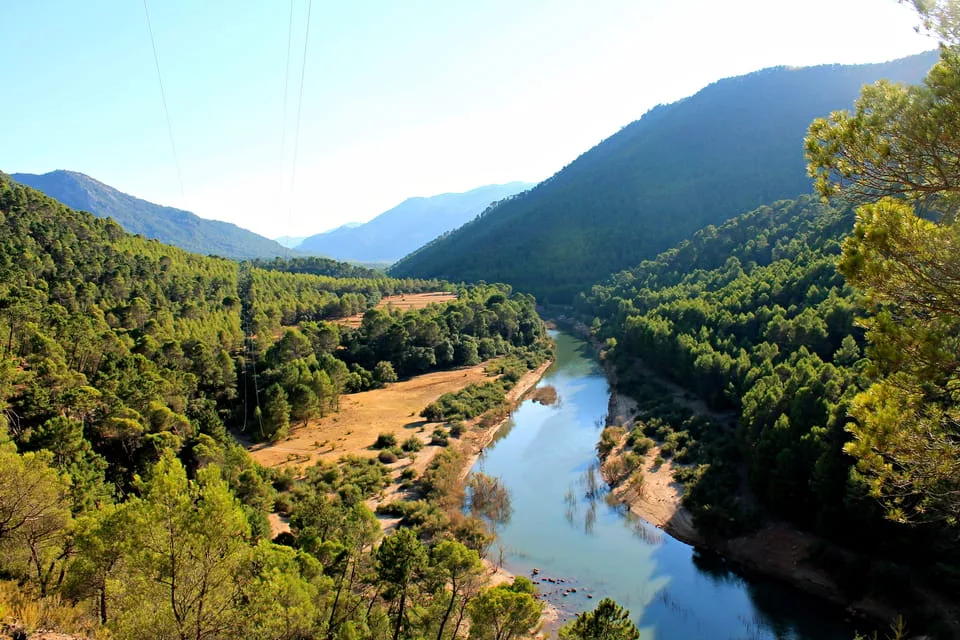
Spending time in nature reduces stress and depression, and traveling in a motorhome allows you to do so consistently. Discover why surrounding yourself with mountains, rivers, and forests is the best therapy for your mind.
Mental Health Benefits of the Camper Lifestyle
Connection with Nature Being immersed in natural environments reduces stress levels, improves mood, and enhances concentration and creativity. Exposure to green and blue spaces, such as forests and bodies of water, is associated with a decrease in anxiety and depression. Additionally, contact with nature promotes emotional regulation, providing a calming environment that helps reduce the impact of negative thoughts. Walking barefoot on grass, listening to birdsong, or simply breathing fresh air are practices that reinforce psychological well-being and strengthen the mind-body connection. Studies have shown that people who spend more time outdoors tend to experience greater happiness and a significant reduction in chronic stress symptoms.

Sense of Freedom and Autonomy Traveling in a motorhome allows you to set your own schedule, choose destinations according to personal preferences, and adjust travel pace without depending on reservations or strict itineraries. This generates a greater sense of control and satisfaction, reducing anxiety associated with fixed schedules and daily obligations. The ability to explore natural environments at will, wake up to different views each day, and modify the route based on mood or personal circumstances fosters a more authentic and enriching travel experience. This freedom also stimulates creativity, as it allows for discovering unexpected places, trying new outdoor activities, and connecting with the environment without restrictions. Psychologically, this independence translates into a significant reduction in stress and an improvement in overall well-being, promoting detachment from daily pressures and fostering greater emotional balance.
Digital Detox Stepping away from daily routines, the constant bombardment of information, and digital notifications not only facilitates mental relaxation but also allows for greater introspection and self-awareness. Reducing dependence on electronic devices promotes mindfulness, enabling full enjoyment of the present moment without external distractions. This helps reduce information overload, one of the leading causes of mental fatigue and burnout. Additionally, digital detox fosters creativity and problem-solving, as the mind is freed from constant stimuli and can focus on deeper, more meaningful thoughts. Spending time in nature without screen interference allows for an authentic reconnection with the environment, strengthening emotional well-being and reducing anxiety and stress levels.

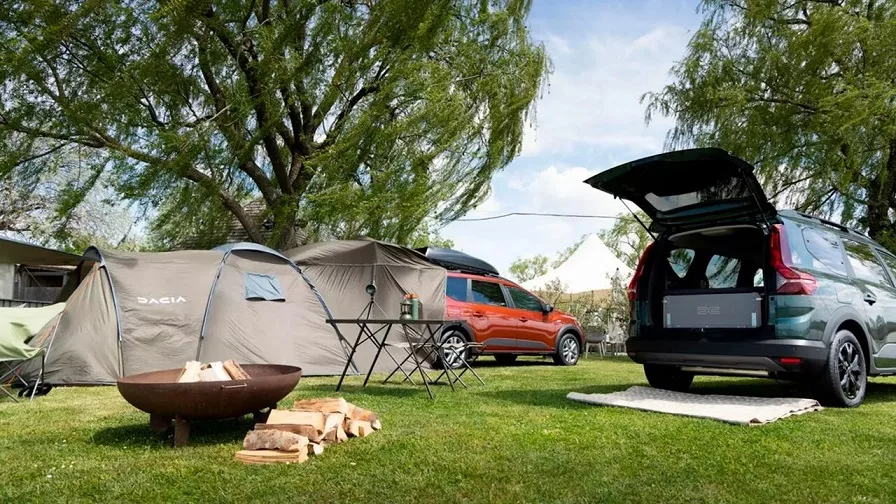
Peace and Emotional Balance Numerous studies have shown that exposure to natural environments decreases cortisol levels (the stress hormone), thereby reducing physiological stress. In this sense, campgrounds play a key role, allowing travelers to immerse themselves in nature’s tranquility while enjoying comfortable and accessible infrastructure. Spending time in a campsite, surrounded by trees, fresh air, and natural sounds, enhances relaxing effects and contributes to improved mood. Moreover, the combination of outdoor activities, such as hiking or simply resting under a starry sky, reinforces the physical and mental benefits of being in contact with nature, promoting a sense of peace and emotional balance.
Physical Activity Activities associated with camping, such as hiking, setting up camp, cycling, climbing, or even practicing yoga outdoors, encourage physical exercise in a natural and recreational way. These activities not only contribute to improved physical fitness but also positively impact mental health by releasing endorphins, reducing stress, and increasing the sense of well-being. Additionally, physical effort in a natural setting enhances detachment from routine, fostering greater mental clarity and reducing psychological exhaustion. Outdoor exercise, combined with the tranquility and beauty of the environment, significantly helps prevent disorders such as anxiety and depression, providing a revitalizing experience for body and mind.
Social Interaction and Strengthening Bonds Sharing experiences in campgrounds or rest areas facilitates the creation of new friendships and strengthens existing relationships, providing emotional support and reducing feelings of loneliness. Additionally, living in these spaces fosters a collaborative and mutually supportive environment, allowing people to connect through shared activities such as community dinners, outdoor games, or group excursions. This environment promotes a sense of belonging and community, essential for emotional well-being. In many cases, friendships formed in campgrounds become lasting bonds, reinforcing the sense of support and closeness. Likewise, interacting with other travelers enables experience exchange and advice sharing, enriching the journey and offering new perspectives on different lifestyles and cultures.
Improved Sleep Quality Traveling in a motorhome or camping in nature can be an effective solution for those seeking better rest and relief from sleep disorders. One key factor is exposure to natural light, which helps regulate circadian rhythms and restore sleep cycles. The lack of light pollution in campgrounds and rural areas also contributes to deeper, more restorative sleep.
Additionally, the natural environment reduces stress and anxiety levels, key factors that negatively affect sleep quality. The combination of fresh air, relaxing nature sounds, and digital detox promotes mental relaxation, preparing the body and mind for optimal rest.
Another important aspect is the physical activity that accompanies this lifestyle. Walking, setting up camp, hiking, or simply moving outdoors helps release endorphins and reduce accumulated tension, resulting in deeper and more restorative sleep. Traveling in a motorhome or camping not only provides comfort and freedom but also promotes healthy habits that enhance nighttime rest and overall well-being.
Alternatives to Enjoy the Camper Lifestyle
Motorhome Rentals If you don’t own a vehicle, numerous companies offer motorhome and camper rentals, allowing you to enjoy this experience without a significant initial investment. Renting is an excellent option for those who want to try this lifestyle before committing to purchasing a vehicle. Additionally, it allows for exploring different motorhome models to find the one that best suits personal and family needs
Personalized Route Planning Planning routes that match personal preferences, whether exploring beaches, mountains, or picturesque villages, enriches the experience and brings greater satisfaction. Moreover, adapting the itinerary to individual interests allows for a deeper enjoyment of the journey, avoiding the stress of rigid schedules.
Camping Stays Campgrounds offer facilities that make stays more comfortable, ranging from basic camping areas to well-equipped complexes with electricity, drinking water, and communal areas. Additionally, these spaces provide opportunities to socialize with other camper enthusiasts, share experiences, and discover new recommended routes and destinations.
Conclusion
Contact with nature and adopting a camper lifestyle can be effective tools for improving mental health. The combination of freedom, connection with the natural environment, and the ability to set one’s own pace contributes to reducing stress, preventing depression, and combating burnout syndrome. Incorporating these experiences into daily life can be a valuable strategy for promoting emotional well-being and resilience.
Plan Your Next Camper Adventure! Discover the freedom of traveling at your own pace and choose from our diverse camper rental options. Start planning your perfect getaway today!